The stylist is mid-color, both chairs are full, and the phone rings for the fourth time in an hour. Nobody picks up. That missed call is a lost booking, and for most salons the math is brutal: one missed call per day at an average ticket of $80 works out to roughly $29,000 in revenue walking away every year.
An AI chatbot for salons fixes exactly this. It answers within seconds, books the appointment, and sends the reminder — while your team keeps doing the work clients actually pay for. This playbook walks through what these chatbots do, the six steps to set one up, what to leave to humans, and what the real ROI looks like.
What an AI chatbot for salons actually does
A salon chatbot is not a website widget that collects emails. It is a conversational assistant that handles the full booking journey across the channels your clients already use.
Books appointments 24/7. A client texts at 11 PM asking if Thursday at 4 PM is free with Maria. The bot checks live availability, offers the slot, and confirms the booking on the spot. No call back, no back-and-forth, no lost follow-up.
Answers pricing and service questions. "How much is a balayage?" and "Do you do gel extensions?" are the two most common questions salons get, and they repeat daily. The bot answers from your actual menu so the front desk stops retyping the same answer.
Sends reminders and catches reschedules. No-shows and last-minute cancellations are the single biggest profit leak in the industry. Automated reminders — text at 48 hours, then 24 hours — consistently cut no-show rates by 30 to 50 percent. When someone does need to move their slot, the bot offers the next free opening and updates the calendar.
Captures leads from Instagram and WhatsApp. Most of your discovery happens on social media, not your website. A chatbot connected to Instagram DMs or WhatsApp Business catches those inquiries while they are hot instead of leaving them on read.
Why 2026 is the moment for salon automation
The technology has crossed two thresholds at once. First, the booking platforms most salons already use — Vagaro, Fresha, GlossGenius, Mindbody — now have open APIs, which means a chatbot can read and write real availability instead of playing calendar roulette. Second, chatbot quality improved to the point where clients cannot tell they are talking to software for routine requests.
The pressure is also real. Front desk staff is hard to find and expensive to keep, and the hours clients want to book — evenings and weekends — are exactly the hours nobody is at the desk. A salon that answers in seconds, every time, wins the booking. One that lets the phone ring loses it to the salon three blocks away with the same prices.
The 6-step implementation playbook
Step 1: Map your booking reality
Before buying anything, spend a week counting what actually slips through. How many calls go unanswered during peak hours? How many Instagram DMs sit unread for hours? What is your no-show percentage today? One salon owner I spoke with assumed her team was capturing everything, then found 14 missed calls in a single Saturday — all from people asking about availability.
You do not need perfect data. You need a number you can measure again in 60 days, because that before-and-after is how you will justify the spend to yourself.
Step 2: Set the automation boundary
Decide what the bot owns and what a human owns. A good default for salons:
Bot handles: booking, rescheduling, cancellations, pricing questions, service menu questions, hours and location, reminders, waitlist signups.
Human handles: color consultations, complaints, anything involving a photo of damaged hair, new clients with complex requests, and gift card or refund issues.
The boundary matters more than the chatbot itself. When the bot confirms a slot, it must write that booking into the real calendar — a chatbot that books appointments without syncing to your practice system creates double bookings and destroys trust fast.
Step 3: Connect the bot to your booking system
This is the step most salon owners underestimate. A chatbot is only as good as its connection to live availability. If your salon runs on Vagaro, Fresha, GlossGenius, or Mindbody, choose a chatbot that integrates directly with that platform so slots are reserved the moment a client confirms.
If you run a paper diary or a shared spreadsheet, the bot cannot read it — you will need to move to one of those platforms first. This is not optional; a bot quoting availability that is already taken is worse than no bot at all.
Step 4: Feed it your real service menu and policies
The bot's answers come from what you give it, not from magic. Upload your full service list with prices, your team's specialties, your cancellation policy, your deposit rules, and your parking or location instructions. Write these as short, natural answers — "Balayage starts at $180 depending on length" — not as a wall of pricing PDF text.
Take the extra hour to handle your edge cases explicitly. What happens for a first-time client? Does the bot ask about allergies before booking a lash appointment? Do you require a card on file for weekend slots? The salons with the smoothest bot experiences are the ones who wrote down every question their front desk answers in a normal week, then trained the bot on that exact list.
Step 5: Put the bot where your clients actually message
A chatbot that lives only on your website misses most of the demand. Salon clients overwhelmingly book from their phones, and they start in WhatsApp, Instagram DMs, or a Google search. The practical setup:
- WhatsApp Business: the default channel for most salons, especially outside the US. The bot answers DMs instantly and books directly.
- Instagram DMs: connect the bot to your business inbox so "do you have anything tomorrow?" gets an answer at 1 AM.
- Website: a chat bubble for people who land on your services page.
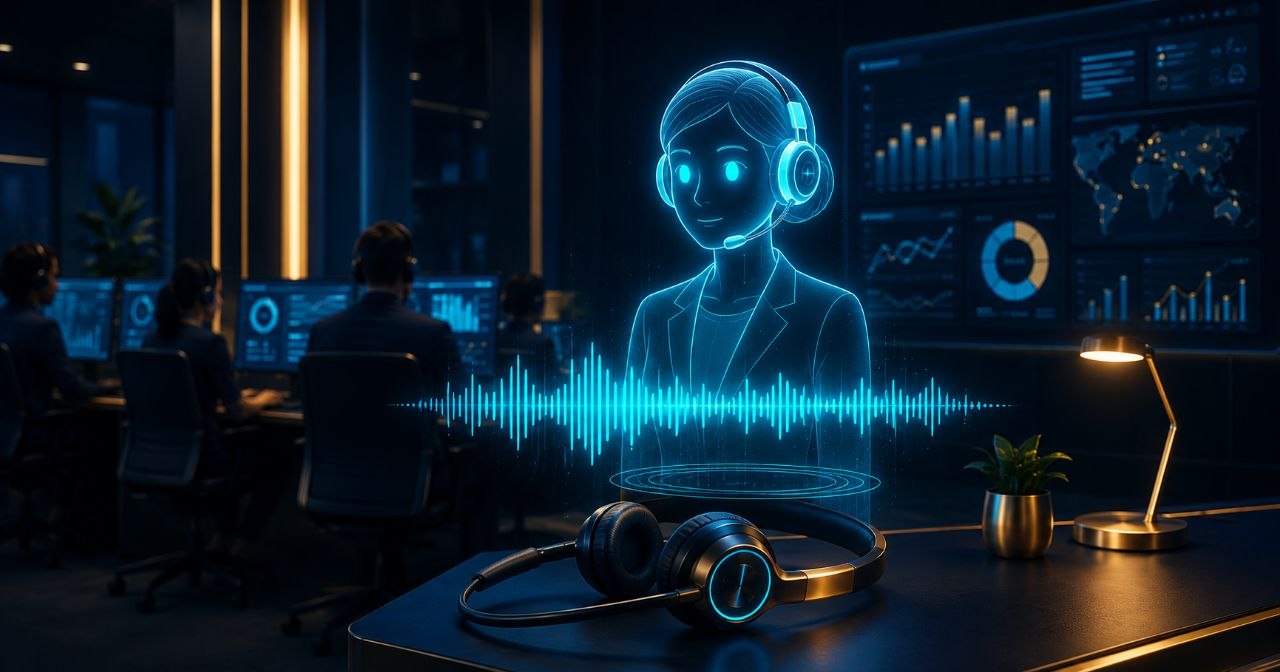
- Phone: a voice AI receptionist that answers missed calls with the same booking flow — this is where the missed-call revenue comes back.
Start with the channel where you currently lose the most business, get that one running perfectly, then expand.
Step 6: Measure, tune, repeat
After 30 days, compare against the numbers from Step 1. The three metrics that matter:
- Booking conversion: what percentage of bot conversations end in a confirmed appointment. A healthy salon bot converts 40-60 percent of booking-intent conversations.
- No-show rate: did reminders actually move the needle? A drop from 18 percent to 9 percent is worth thousands per month on its own.
- Hours saved: how many front-desk hours did the bot absorb? Count the messages it handled; each one is time your staff did not spend typing the same answer.
Tune the bot's wording based on the conversations it fumbles. The first month always reveals two or three questions you forgot to cover. That is normal — add them and move on.
What not to automate
The line from Step 2 deserves emphasis because it is where salons get burned. A client describing damage from a previous appointment wants a person, and a bot that responds with "I'm sorry to hear that" while offering a booking link will escalate the situation. Complaints, refunds, and anything emotionally charged should route to a human instantly.
Color services are another zone. A client asking "can you fix my orange toner?" needs a consultation, not a slot. Make the bot's handoff phrase natural: "That's a question for our colorist — I'll pass you to the front desk right now." Clients remember how they were treated in the moment of frustration, not the 40 smooth bookings before it.
What this costs and what it returns
Realistic ranges for salon chatbot setups:
- Platform subscription: $50-200 per month for booking-platform-native chatbots
- Custom WhatsApp or voice agent: $300-1,000 one-time build plus monthly hosting, depending on complexity
- No-show savings: a salon doing 300 appointments a month at $80 average ticket, cutting no-shows from 15 percent to 8 percent, recovers roughly $1,700 per month — before counting new bookings from answered calls
The payback math is rarely the hard part. The hard part is the first 30 days: connecting the booking system, training the bot on your actual menu, and trusting it with real slots. Salons that push through that month report the same surprise — the bot books more in a week than the phone captured in a month, because it never stops answering.
Start with one channel
You do not need to automate everything at once. Pick the channel where you are bleeding the most — usually missed calls or unread Instagram DMs — and automate only that. Once the flow is proven, extend it.
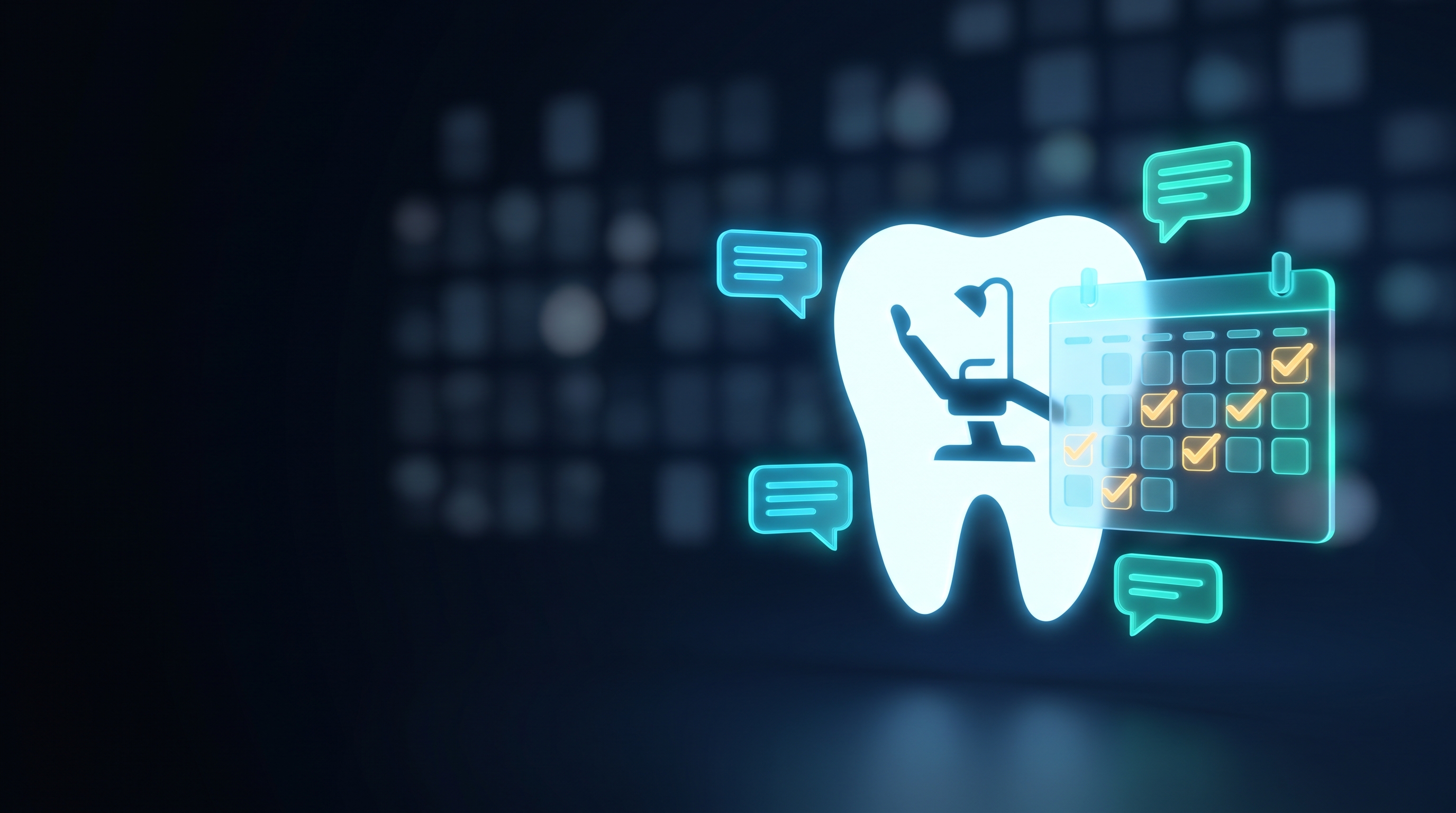
This is the same playbook used by AI agents for gyms and fitness studios fighting the same no-show battle with booking and reminder automation, and by AI chatbots for dental clinics running 24/7 appointment intake. The pattern is identical — capture the request instantly, write it to the real calendar, remind before the slot, and escalate the edge cases to a person — exactly how AI agents for local service businesses put the same system to work.
If you want help building a WhatsApp or voice receptionist for your salon — trained on your service menu, connected to your booking platform, and live in about a week — AI Invention builds exactly these agents. Tell us what your salon needs and we will set up the booking flow, the reminders, and the handoff rules for you.